Why is protein so important?
If you have spent any time in the gym or around people that spend a lot of time in the gym, then you have most likely heard of protein and it's positive impact on weight training and muscle. Yes it is true that protein can help your strength performance, muscle growth, and recovery. What is protein though? How much protein do you need to intake on a daily basis? What are the best sources of protein? Does it really make that much of a difference what my protein intake is if I am a woman or I don't lift weights? Let's start at the beginning...
What is protein?
Protein is a macronutrient consisting of chains of amino acids called peptide chains and are essential for the cells in our bodies. Once our body breaks down protein into amino acids they collect in our amino acid pool to be used for many functions throughout the human body including muscle protein synthesis, synthesis of neurotransmitters in the brain, synthesis of tissue enzymes, production of new proteins, and more. Suffice to say that protein and therefore amino acids are very important for the human body. In order to function at our best, we have to get in all the necessary amino acids into our body. There are 20 different amino acids. Our body can make 12 of them, but 8 amino acids are essential because our body cannot make them. These 8 essential amino acids must come from our diet. Unlike the other 2 macronutrients, Carbohydrate and Fat, Protein is not easily stored and maintained. We must constantly be eating enough quality protein to keep our amino acid pool filled in order to fulfill important bodily functions like the ones listed above. Also, our muscle tissue needs a constant supply from the amino acid pool to maintain and grow.
Where do we find these essential amino acids in our diet?
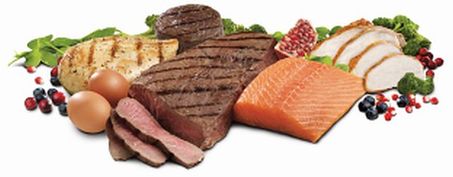
The easiest solution is to eat foods that have complete protein. Complete protein means that the food has all of the essential amino acids we need in it. Yes, not all protein is equal. For example, beans do have a decent amount of protein per serving size, but they are an incomplete protein due to a lack of certain amino acids. Most meat, fish, and poultry consist of complete protein. This includes egg whites, tuna fish, beef, and chicken to name a few. If you are vegetarian or vegan you can still find complete protein in soybeans, or you can mix foods to make up a complete protein. Mixing black beans with whole grain rice, for example, equates to a complete protein. Eating plenty of legumes, a diversity of vegetables, nuts, and seeds are extremely important for people who do not eat meat or eggs. Eating these foods in a variety of ways will ensure that you get all of the essential amino acids.
How much protein do I need to consume?
An easy baseline goal for everyone is to consume at least 1 gram of protein per pound of body weight on a daily basis. So a sedentary 30 year old man who weighs 180lbs needs to be consuming about 180g of protein daily. This may sound like a lot to some of you, and this comes as no surprise. Most people do not eat enough protein. This is the number one goal to work on in your diet if you are not reaching 1g per lb of body weight a day. If you are active, then you need even more protein. If you lift weights, or exercise most days of the week then you need to be getting closer to 1.5 grams of protein per pound of body weight daily. Bodybuilders and elite athletes have been known to consume as much as 2 grams per lb of body weight a day!
Remember this is a process though and most people do not need more than 1g per lb of body weight daily. To reach this goal you need to be eating complete protein foods like the examples listed in the previous paragraph. As a quick guide, women should be eating a serving size equal to the palm of their hand. Men need to eat servings equal to 2 palms of their hand. If you still feel a lack of strength and can't stomach any more solid food, then you may need to consider a liquid protein supplement such as a whey protein isolate powder to mix in water. Just remember that supplements are meant to supplement the diet and not be your main source of protein or any other nutrients.
Hopefully now you may understand why protein is a very important part of our diet. Remember to keep your protein sources as lean and complete as possible. This along with making sure you are getting your proper daily amount can make a big difference in your body composition and overall strength. As always I welcome any comments or questions you might have!
Live well, Eat healthy, Train smart, BB Training. Let's start!